Architecting for Scale: Building a Resilient SaaS Platform

The Scaling Challenge
Building a SaaS platform is one thing; building one that scales seamlessly is a completely different ball game. As your user base grows, so do the demands on your infrastructure. A poorly architected system will result in slow load times, frequent downtimes, and a frustrating user experience.
If your system isn't designed to scale horizontally from day one, you are building a ticking time bomb of technical debt.
Core Architectural Principles
To ensure your SaaS application is built for the long haul, you must adhere to several fundamental principles:
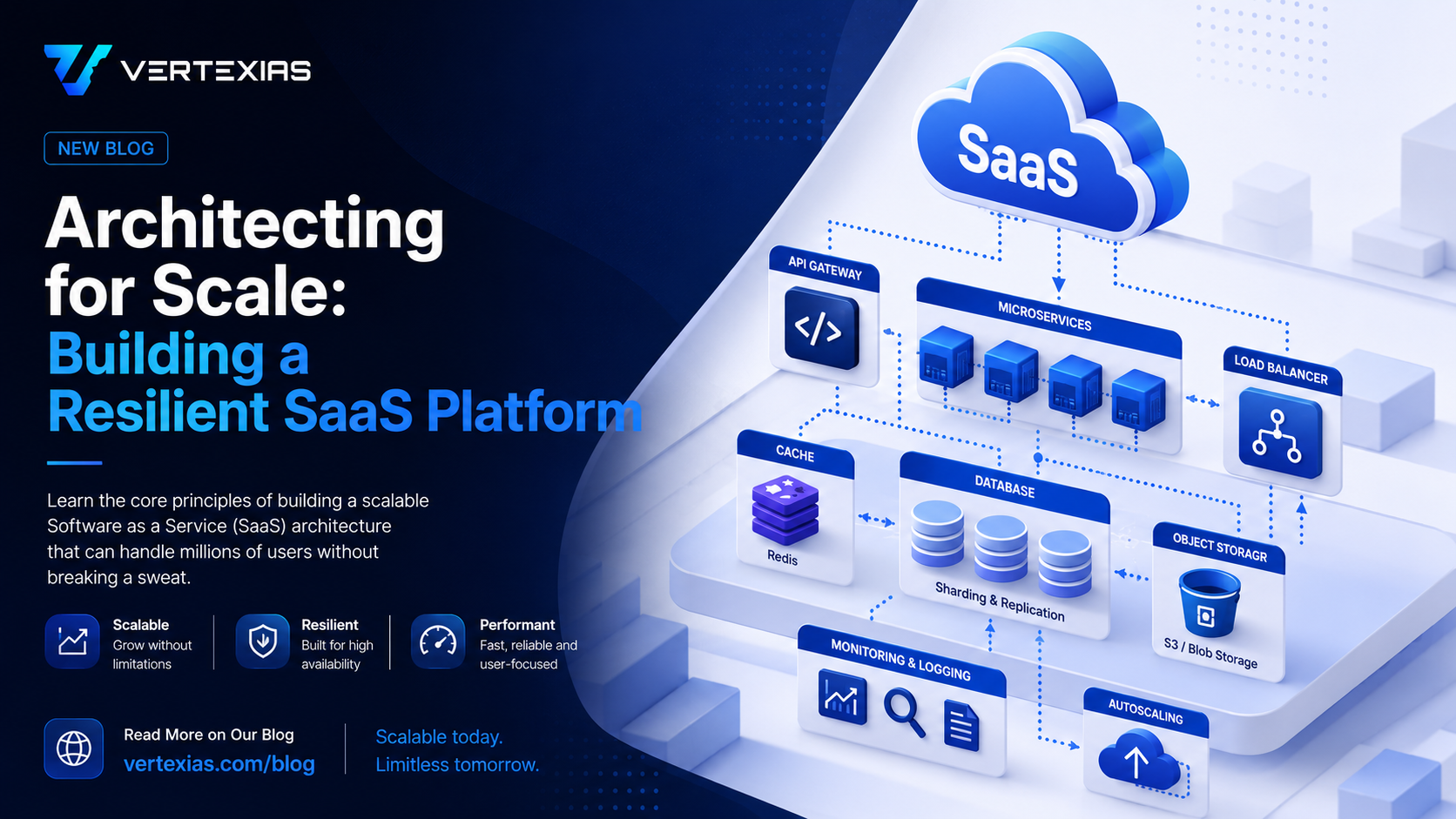
- Microservices Architecture: Break down your application into small, independent services that communicate via APIs. This allows you to scale specific components of your application based on demand, rather than scaling the entire monolith.
- Database Sharding and Replication: A single database instance will quickly become a bottleneck. Implement sharding to distribute data across multiple databases and use read replicas to handle read-heavy workloads efficiently.
- Caching Strategies: Implement robust caching mechanisms (e.g., Redis, Memcached) to store frequently accessed data in memory, significantly reducing database load and improving response times.
Embracing Cloud-Native Technologies
Leveraging cloud-native technologies such as Kubernetes for container orchestration and serverless computing can automate scaling processes and optimize resource utilization. By designing your system to be resilient and scalable from day one, you set the foundation for sustainable growth.
Written by Vertexias
Cloud Architecture Team
Specialist in cloud architectures and scalable SaaS solutions. Dedicated to improving system reliability and performance.
More from this author